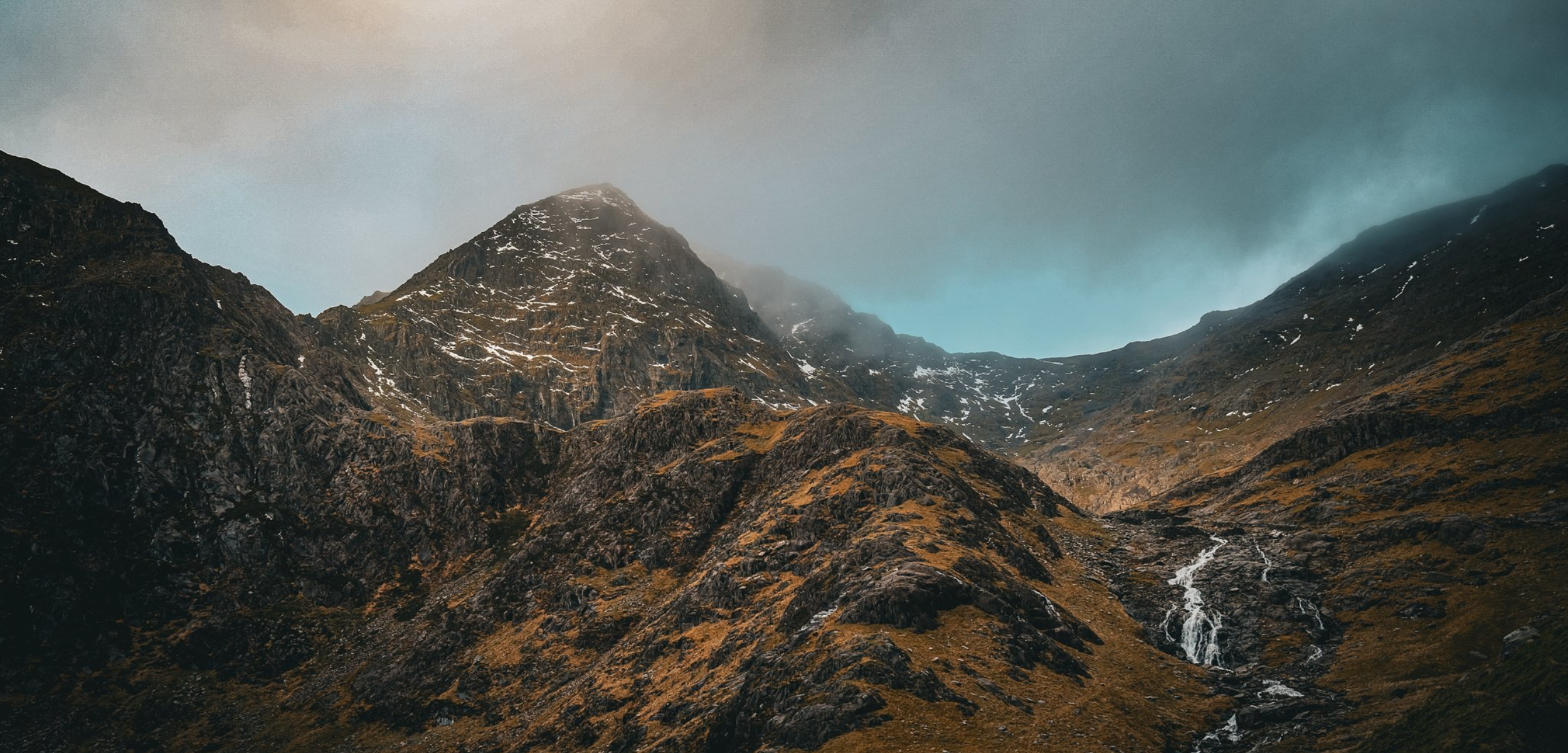
Why Slowing Down Made Me a Better Photographer
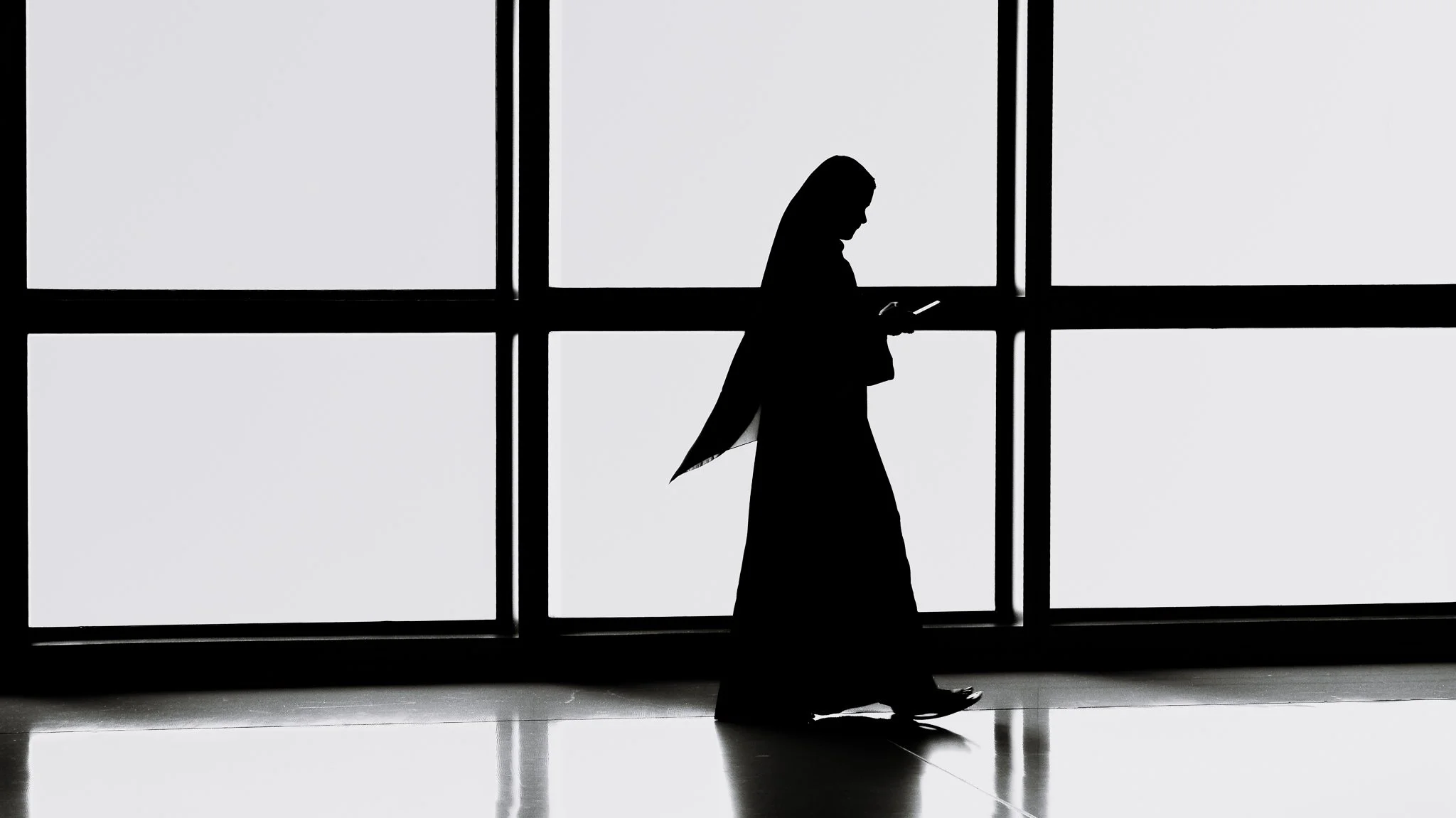
Photography isn’t always about reacting faster.
Sometimes the best images appear when you slow down, study the light, and wait for the moment to unfold.
I used to shoot at 200mph — I’ll admit it. I had this fear that I was going to miss the moment or miss the fleeting shot. As an amateur photographer, this seems to be quite a common trait.
I’ve read other photographers talk about it before. For me, when I travelled, I used to think in terms of time. For example: we only have today in this spot, so I must get as many shots as possible. What it led to was a bunch of sporadic burst shooting, filled memory cards, and the pain of editing later to find the best shot. Then the realisation that I really didn’t need to go through all of that. The London Marathon is a good example of this for me too. I head down there every year and have events unfolding in front of me. I get so excited that I take far too many photos. Reacting quickly and chasing moments. For a while this was where I was living — fearing missed moments and worrying about things I can’t control (I’m a master at that). Luckily, years ago I got to interview a cameraman who had been shooting the Olympics for more than twenty years. I asked him if he ever worried about the missed shots. He gave me a firm no. “They’re gone — why would I worry about them?” For photographers, moments unfold in front of us all the time. We do our best to be in the right place at the right time and ride on a bit of luck to make sure we capture them as best we can. Street photography is a bit like this for me. You never really know what’s going to come next, so that definitely heightens the senses and sometimes makes you shoot more reactively and faster.
Noticing light more carefully
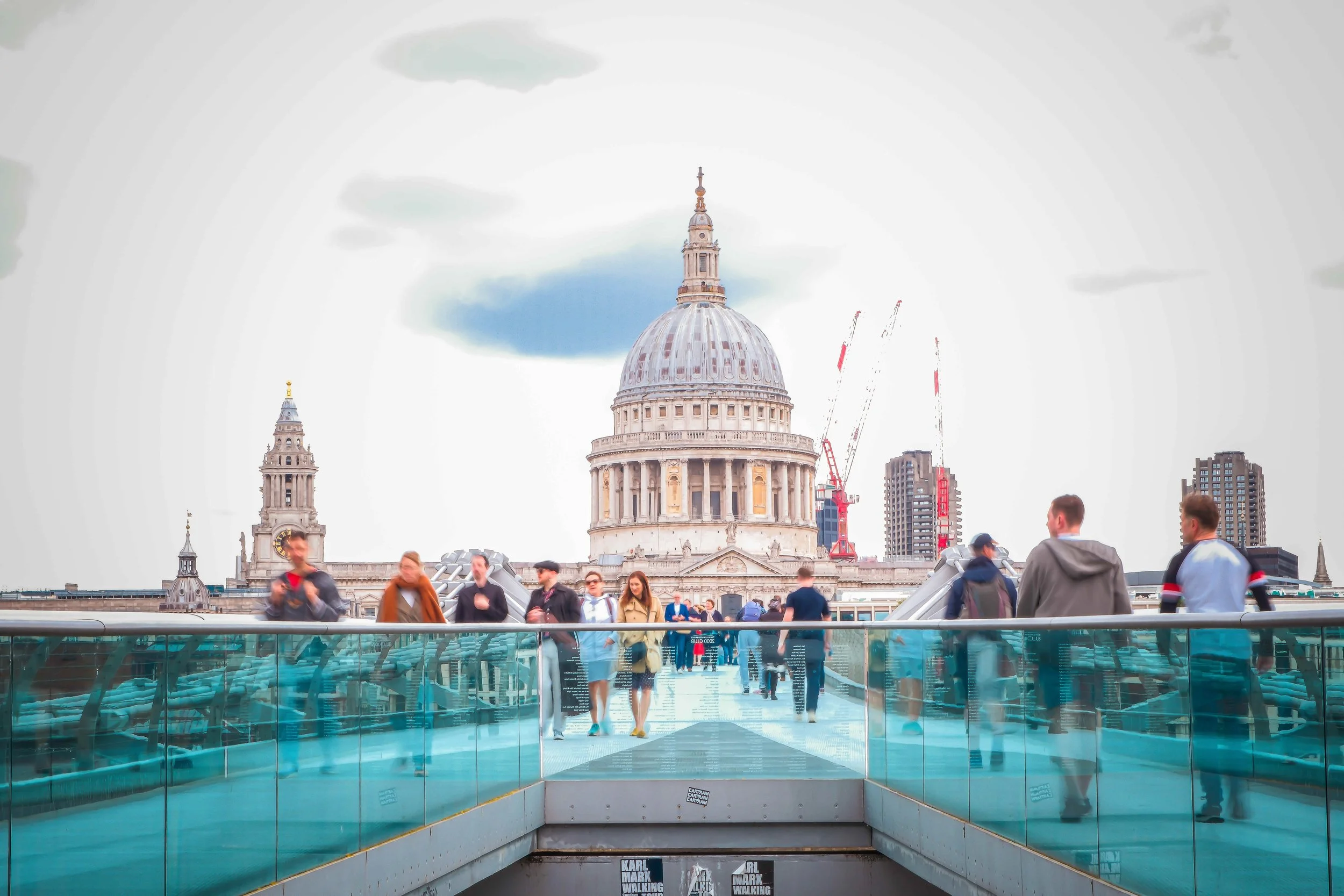
I found myself intentionally slowing down my photography by studying light and composition more carefully. It took me a while to get there, but my mind knew I needed to slow the process down. I started pouring more critical thinking into what I was doing. I began reading more books on lighting and composition and trying to translate some of those ideas into what was in front of me. It sounds simple, but it’s not. Your brain can be your own worst enemy sometimes. Noticing light more carefully has been one of the fundamental parts of my learning and has helped me capture better photographs. When I travel, I’m thinking about when sunrise and sunset happen. I’m thinking about what objects the sun is hitting and at what angles. I’m looking at shadows, finding reflections and carving out moments that other people might not notice. This approach has really changed my mindset with street photography as well. With people in the frame, I try to slow things down and be more intentional. I like to predict and time moments more carefully. Firing off thousands of shots in the hope that one works isn’t a great approach for me. Try not to worry about the moments you missed or didn’t quite get. There will always be more moments.
Two speeds
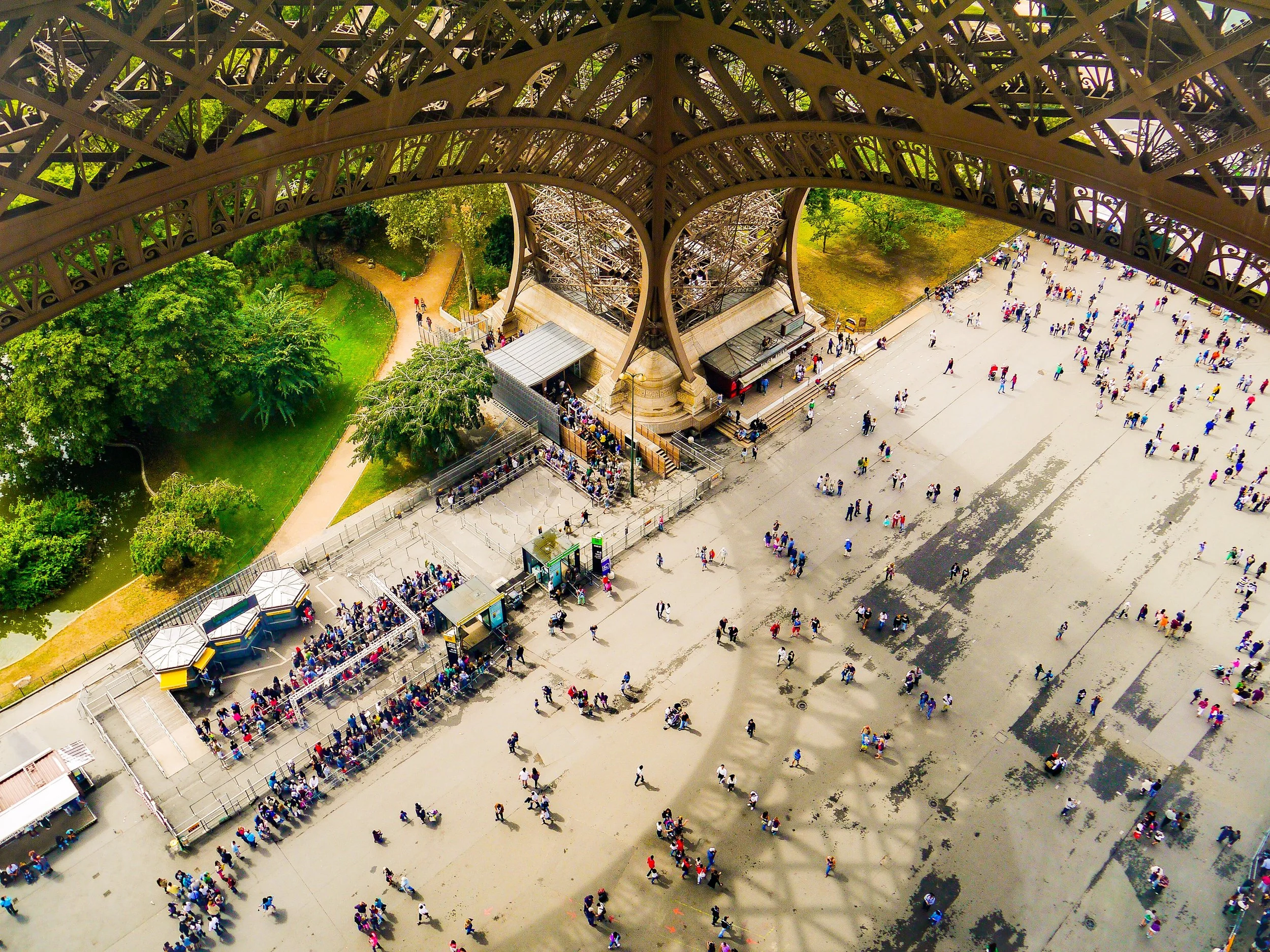
Although I’ve slowed things down, there are still different speeds at which we operate. Fast shooting will always be required when instinct, fleeting moments and fast-moving subjects come into play. Sometimes we simply have no choice but to react quickly. Observation, patience and composition, however, are the hallmarks of slower photography. And this is where it feels great. Taking time to dial in the settings, find the composition, study the light and take the shot. For me, that’s the holy grail of photography and where I get the most satisfaction. These moments usually come in landscape photography, where we’re working with wider lenses and fairly static compositions. I’m an advocate for both speeds, depending on the subject you’re shooting. But my preference is slower, more intentional photography.
How I changed my shooting
These days I try to embrace both the fast and the slow lane — weaving between them and being more mindful of how I’m shooting. I’m also trying to go easier on my memory cards and my eyes during the editing process. Part of learning photography is refining your process over time. I’m sure the professionals out there have spent a lifetime adjusting their approach. I try to look at other photographers’ processes from time to time, but for me it’s important to experiment, learn new ways of working and keep moving forward.
Photography isn’t always about reacting quickly — sometimes it’s about staying still long enough for the image to reveal itself.